
24/7 Remote Monitoring vs. Traditional Security Guards
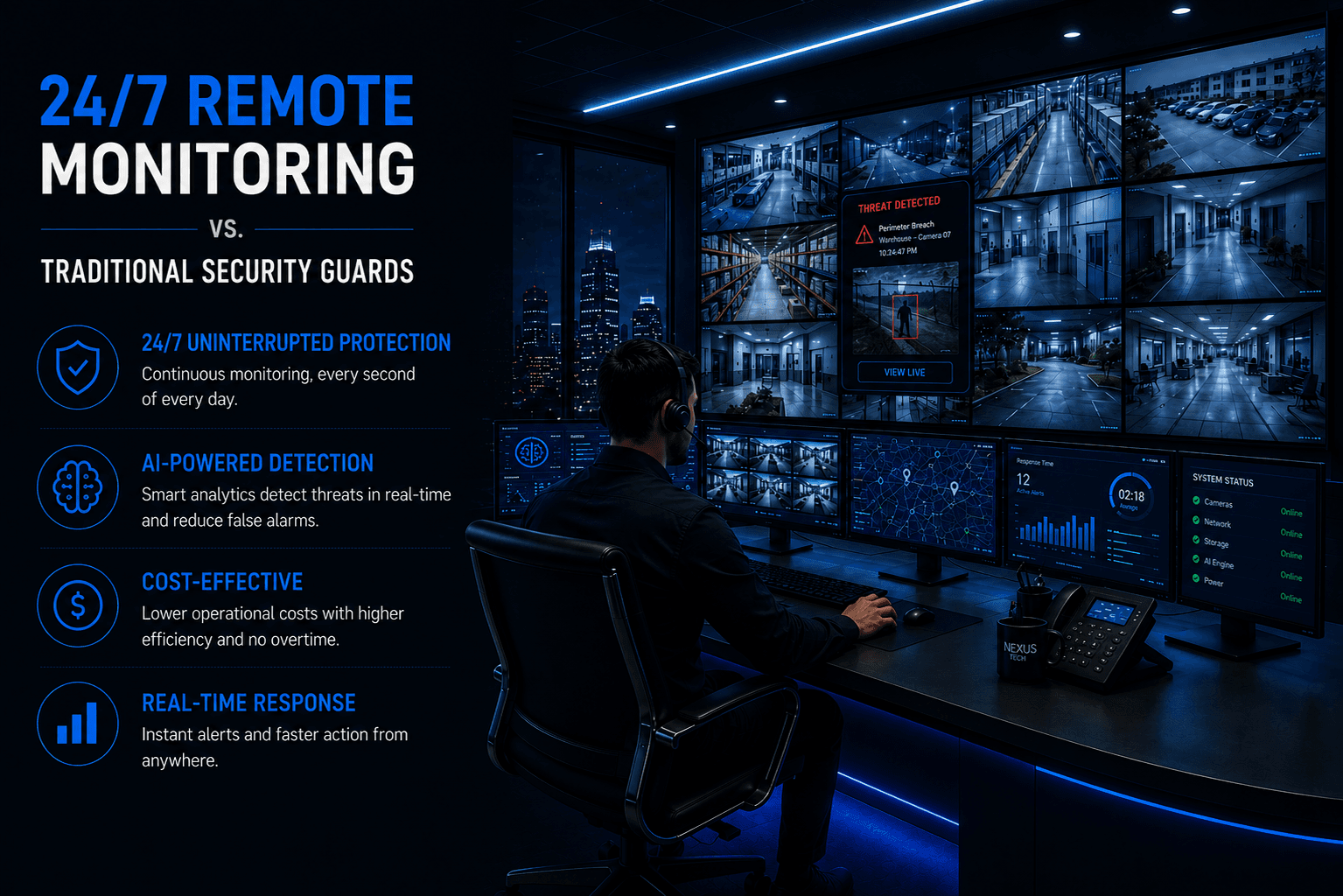
A single on-site guard, no matter how diligent, has hard physical limits: one set of eyes, one location, and a shift schedule that inevitably includes breaks, shift changes, and the occasional lapse in attention that's simply unavoidable over an 8-to-12 hour shift.
Remote monitoring backed by AI detection doesn't replace the value of a human decision-maker — it changes what that human is doing. Instead of scanning monitors continuously hoping to catch something, the monitoring team is alerted the moment the AI flags an anomaly, and reviews and escalates from there. That's a fundamentally different, more sustainable job than passive vigilance.
For multi-site operators, the math gets even more compelling. Staffing a dedicated guard at every location is expensive and inconsistent — different guards, different training, different attention levels. A centralized monitoring operation backed by AI detection gives every site the same standard of coverage, watched from a single command center, with consistent escalation protocols across the board.
This isn't an argument against human judgment in security — it's an argument for pointing that judgment at the moments that actually need it, instead of burning it on eight hours of watching nothing happen.
More from the blog
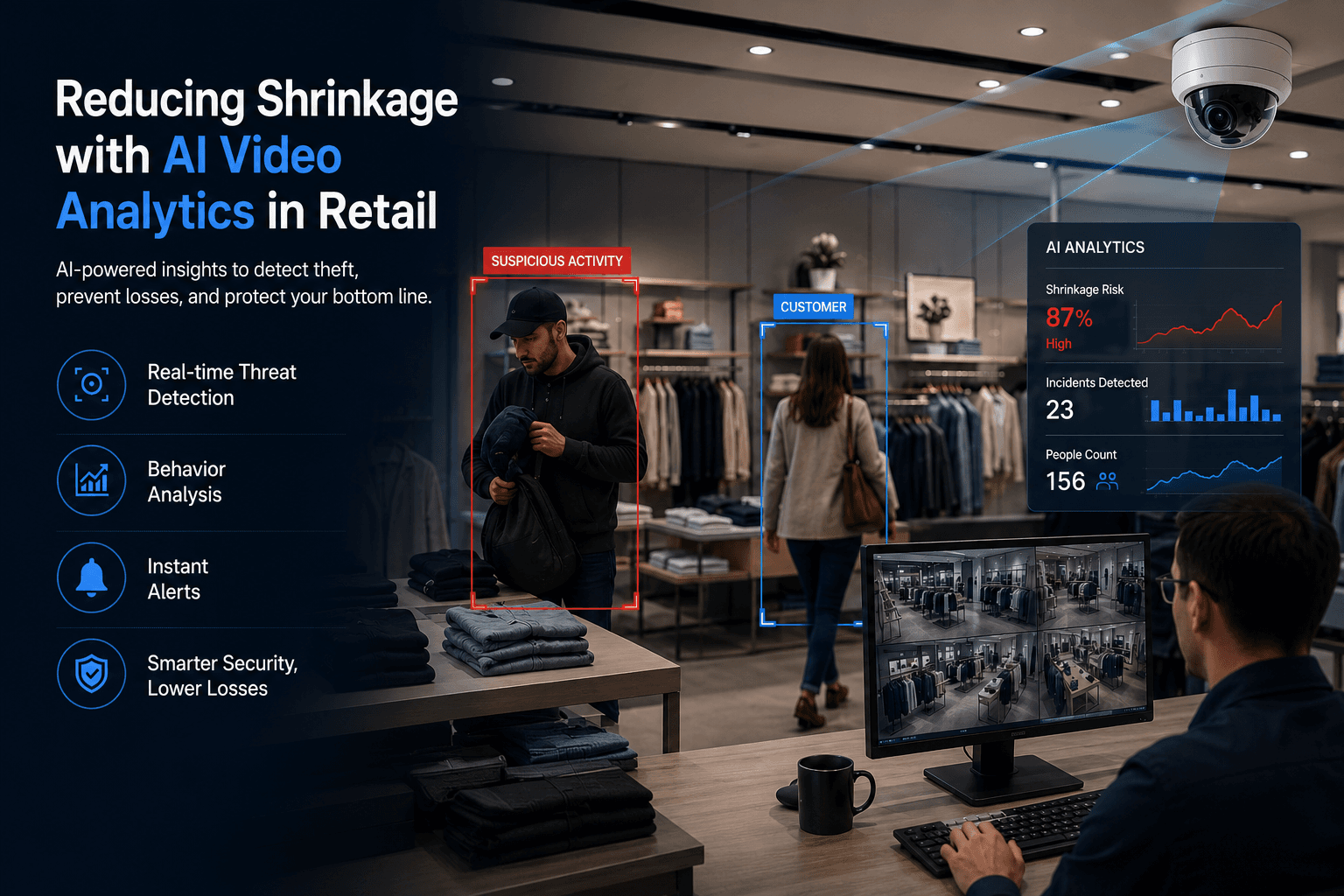
Reducing Shrinkage with AI Video Analytics in Retail
Loss prevention teams are drowning in footage. AI-driven video analytics changes the equation from reviewing everything to reviewing what matters.
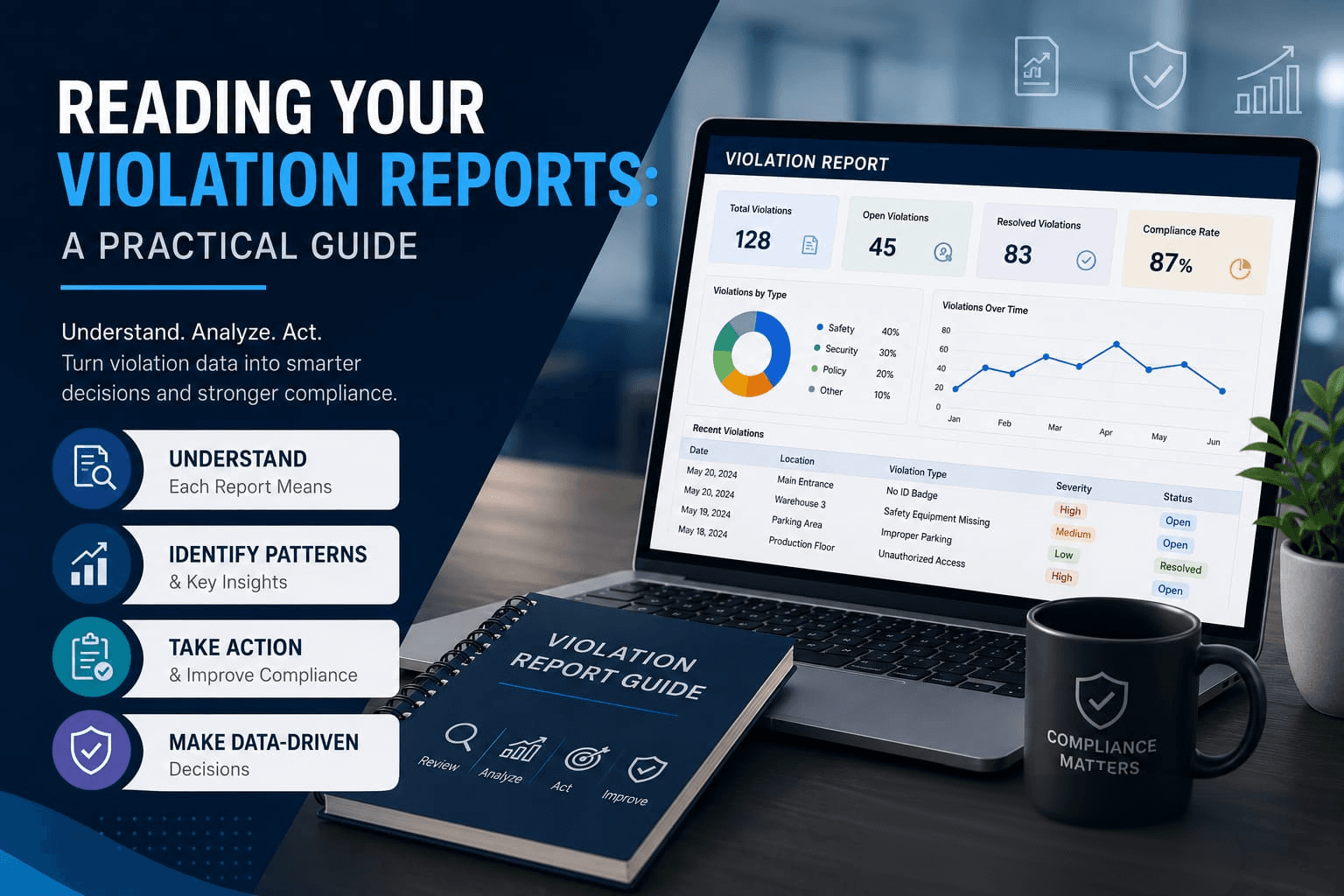
Reading Your Violation Reports: A Practical Guide
Automated reporting is only useful if your team actually knows what to do with it. Here's how to turn a stack of incident reports into operational decisions.
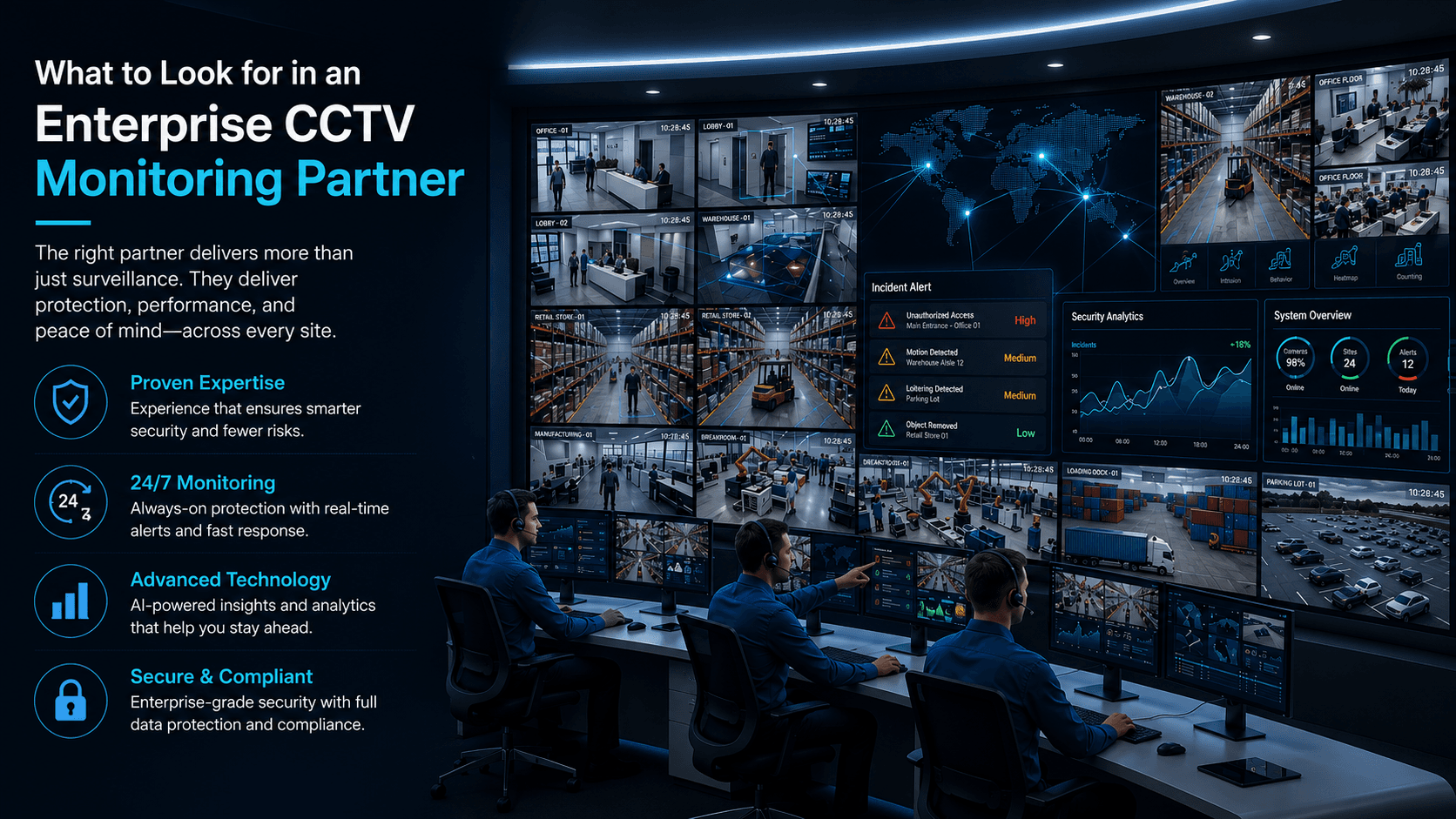
What to Look for in an Enterprise CCTV Monitoring Partner
Not all monitoring providers are built for enterprise scale. Here are the questions worth asking before you sign a contract.
Security Insights
Practical monitoring & AI security insight, straight to your inbox.
Nexus Insights is our monthly briefing for security and operations leaders.