
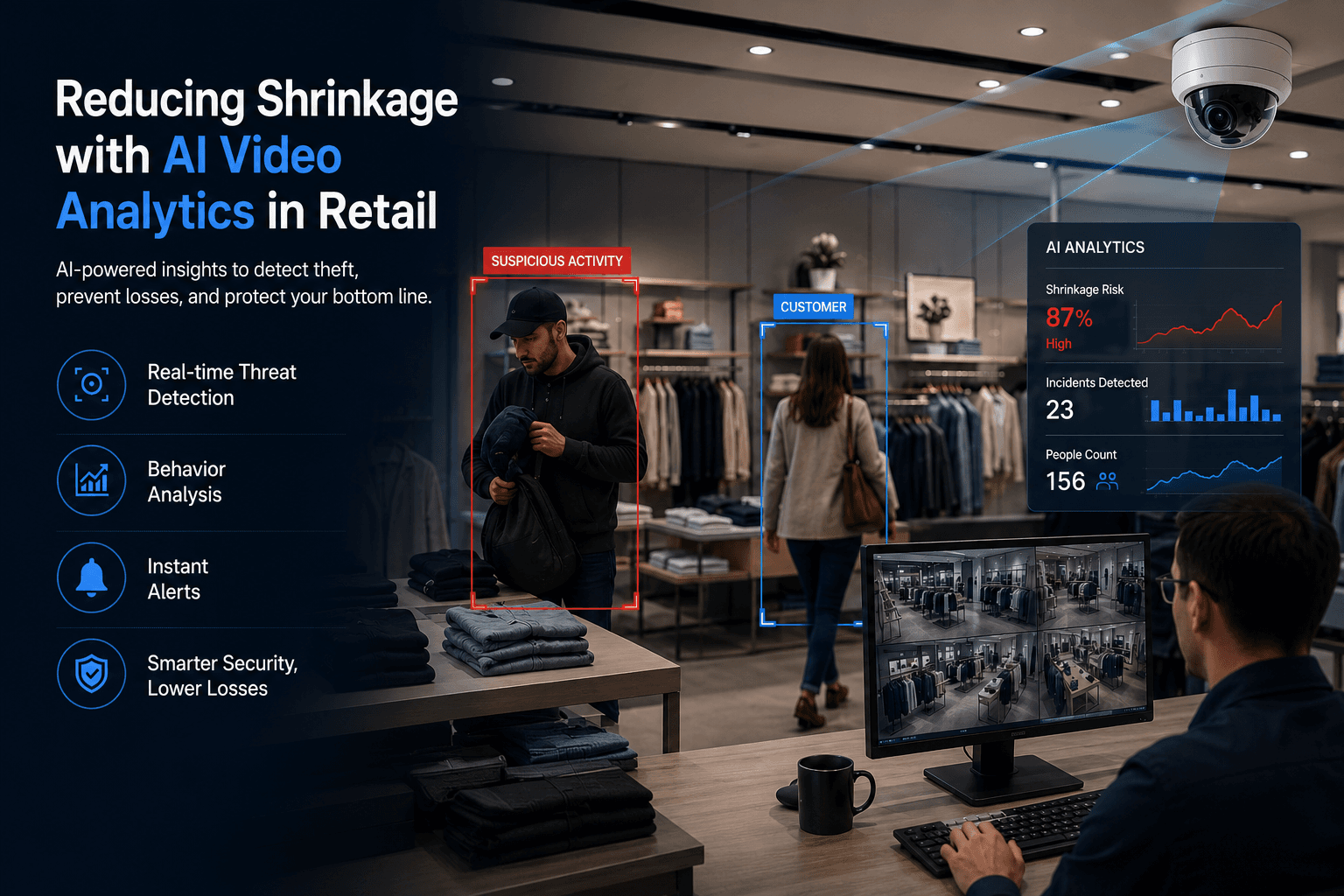
Retail loss prevention has traditionally worked backwards: shrinkage shows up in the inventory numbers, and only then does someone go digging through footage trying to reconstruct what happened. By the time the pattern is visible in the numbers, the opportunity to catch it in real time is long gone.
AI video analytics changes the sequence. Instead of waiting for a discrepancy to show up weeks later, the system flags the behaviors associated with loss in the moment — unusual time spent near high-value displays, patterns consistent with sweethearting at the register, merchandise handling that doesn't match a normal transaction.
This doesn't mean the AI is making accusations — it means loss prevention teams get a shortlist of moments worth reviewing instead of a haystack of hours-long footage with no starting point. That's the real value: turning an impossible review workload into a manageable one.
Combined with store-level reporting, this also surfaces patterns operators would never catch site-by-site — a specific time of day, a specific register, or a specific entrance that shows up disproportionately across incident reports, pointing to a fixable operational gap rather than just an isolated event.
More from the blog
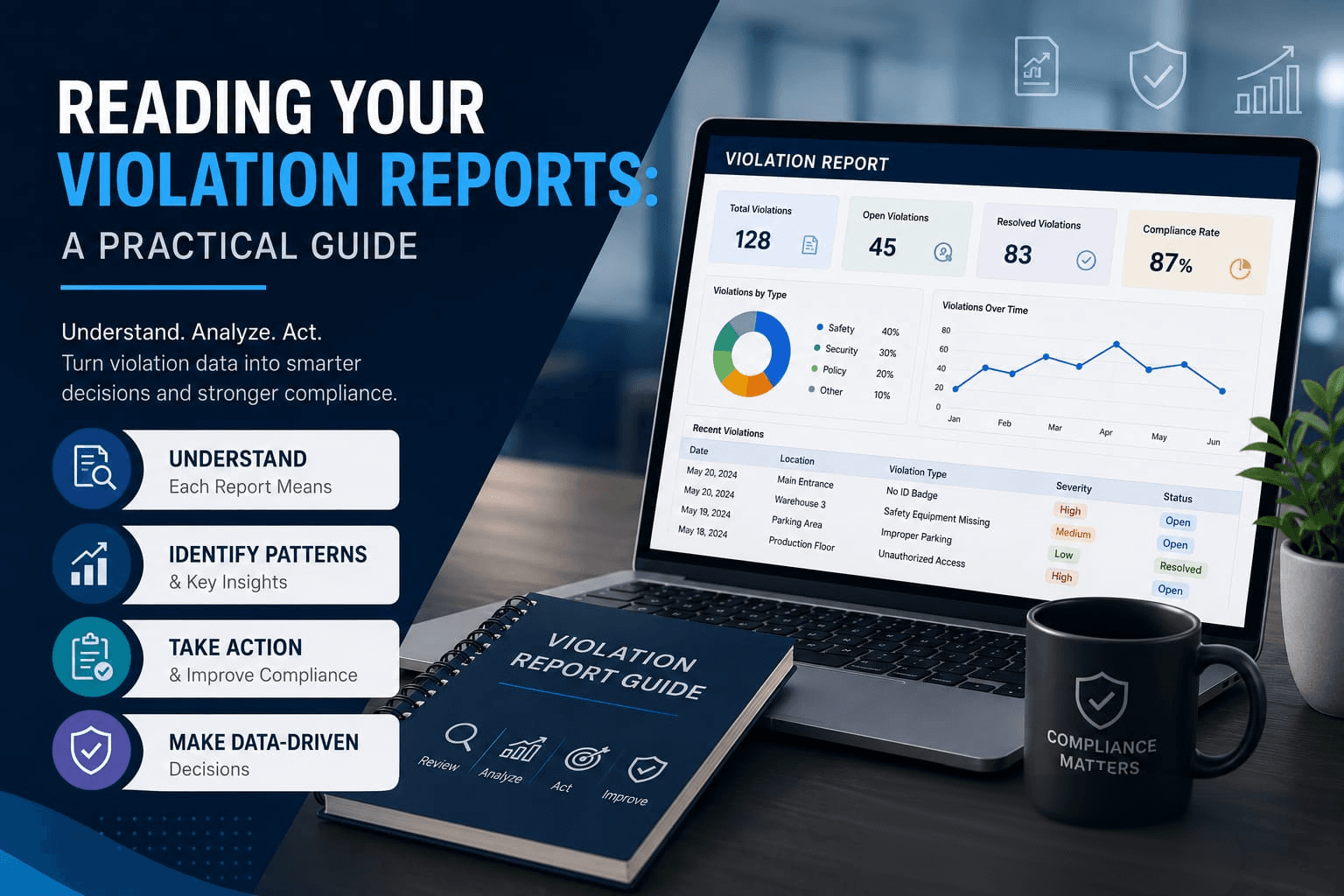
Reading Your Violation Reports: A Practical Guide
Automated reporting is only useful if your team actually knows what to do with it. Here's how to turn a stack of incident reports into operational decisions.
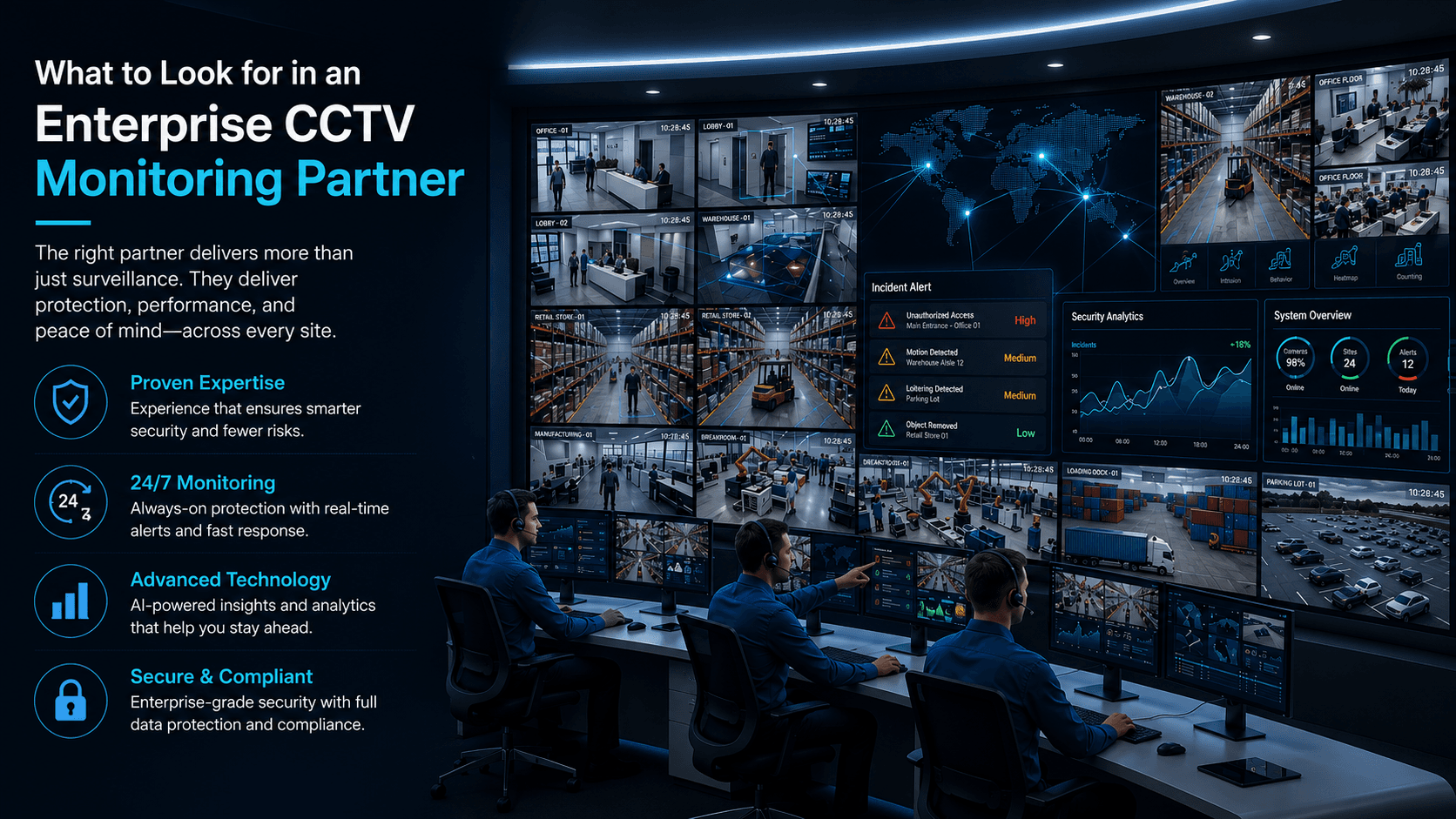
What to Look for in an Enterprise CCTV Monitoring Partner
Not all monitoring providers are built for enterprise scale. Here are the questions worth asking before you sign a contract.
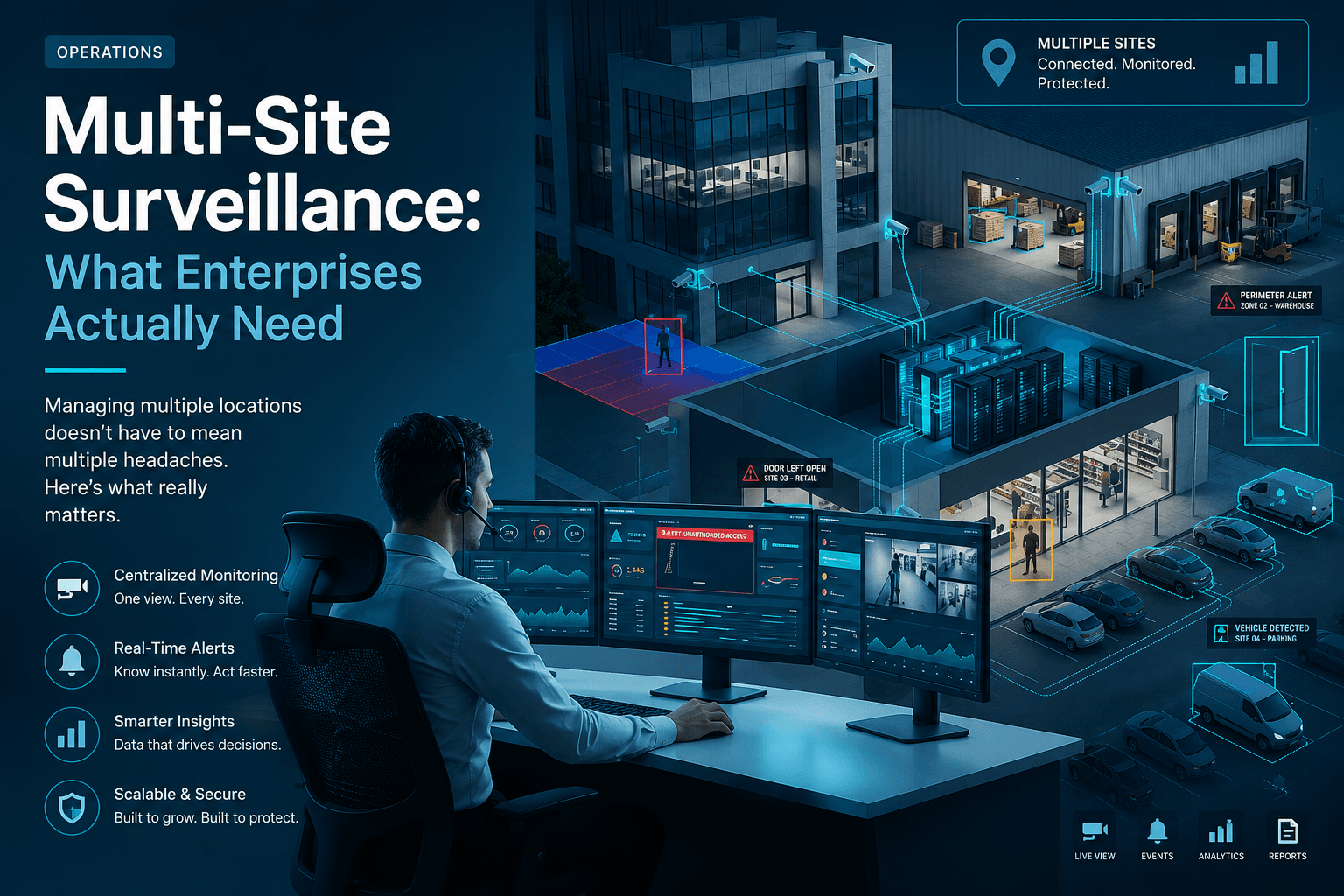
Multi-Site Surveillance: What Enterprises Actually Need
Running surveillance across dozens of locations is a different problem than securing one site. Here's what actually matters when you're scaling coverage across a footprint.
Security Insights
Practical monitoring & AI security insight, straight to your inbox.
Nexus Insights is our monthly briefing for security and operations leaders.