
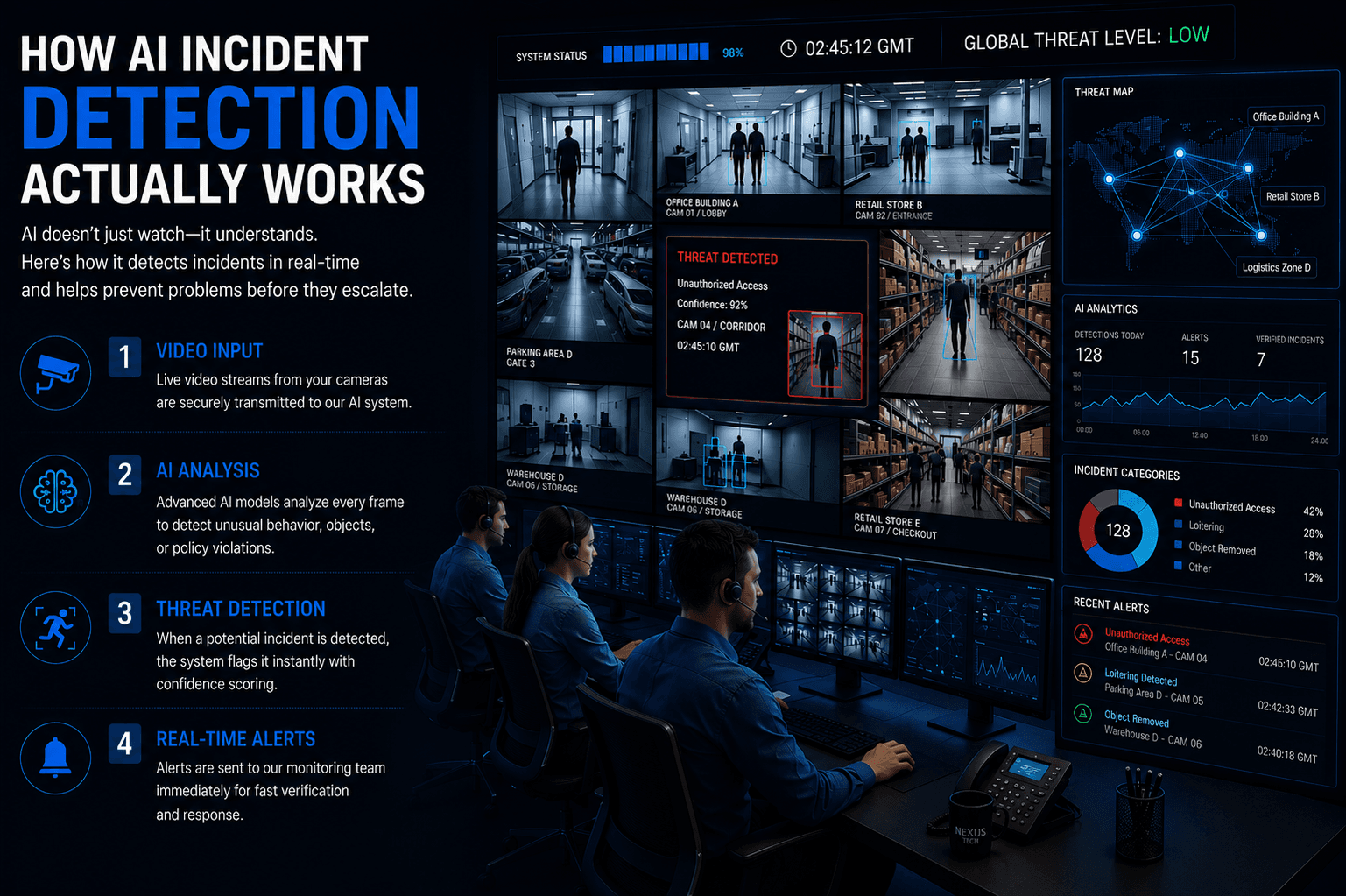
Traditional CCTV systems are passive — they record, and someone has to actively watch or review footage after the fact to catch anything. That model breaks down fast once you have more than a handful of cameras, because no monitoring team can give every single feed full attention, every second, forever.
AI-powered detection flips that model. Instead of relying on a person to notice an incident happening live, the system continuously analyzes every connected feed itself, looking for the specific patterns it's been configured to recognize — a door left open past a certain hour, someone entering a restricted zone, a safety-vest violation on a warehouse floor, unusual loitering near a high-value display.
When the AI recognizes one of these patterns, it doesn't just log it quietly. It automatically captures the relevant clip, timestamps it, tags it with the store, camera, and violation type, and pushes an alert to the monitoring team or directly to the client's dashboard. What used to require a person watching a wall of monitors now happens automatically, in seconds, every time.
The result is coverage that doesn't degrade with fatigue, doesn't miss the 3 AM incident because nobody was looking at that particular screen, and gives operations teams a searchable, structured record instead of hours of raw footage to scrub through after something goes wrong.
More from the blog
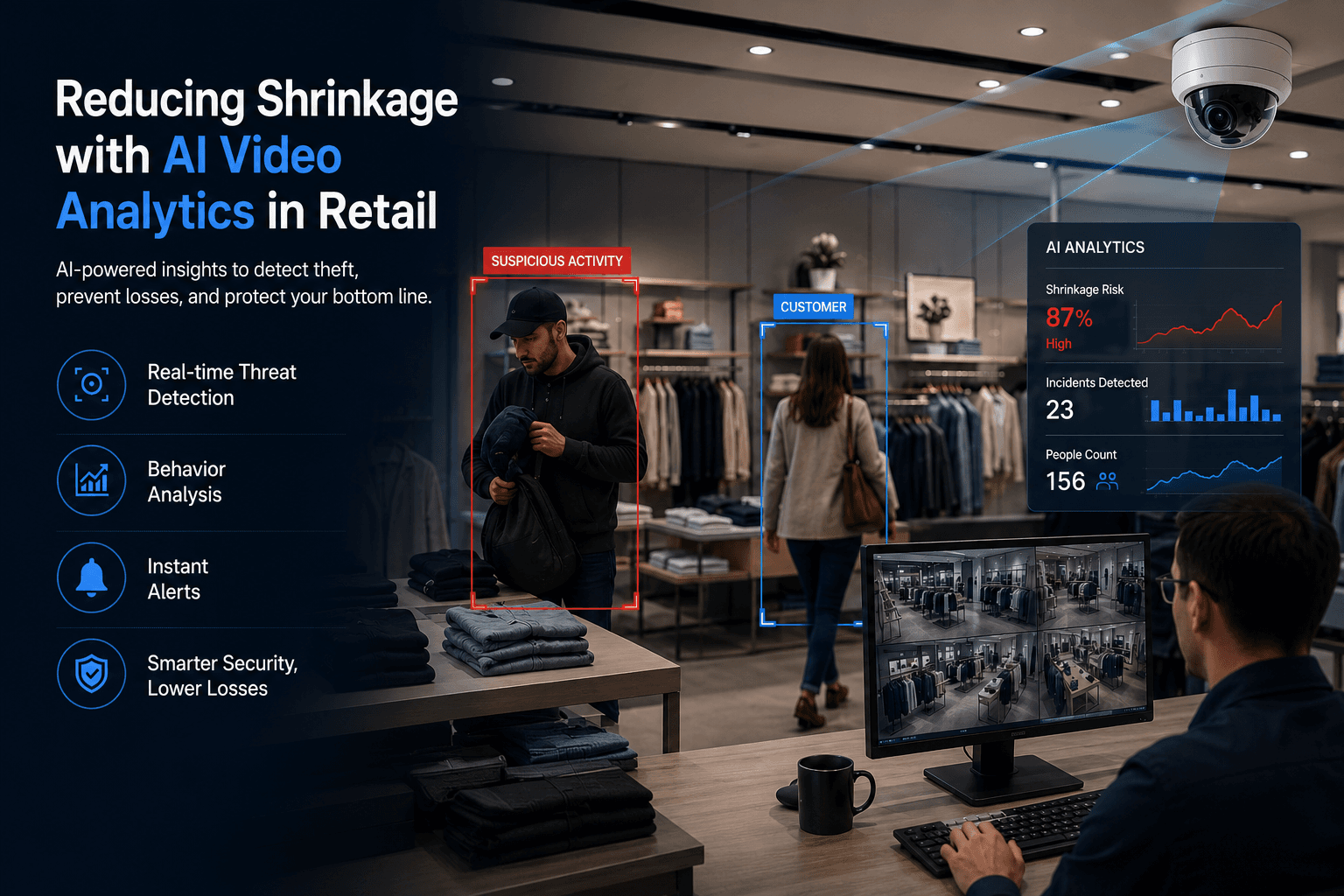
Reducing Shrinkage with AI Video Analytics in Retail
Loss prevention teams are drowning in footage. AI-driven video analytics changes the equation from reviewing everything to reviewing what matters.
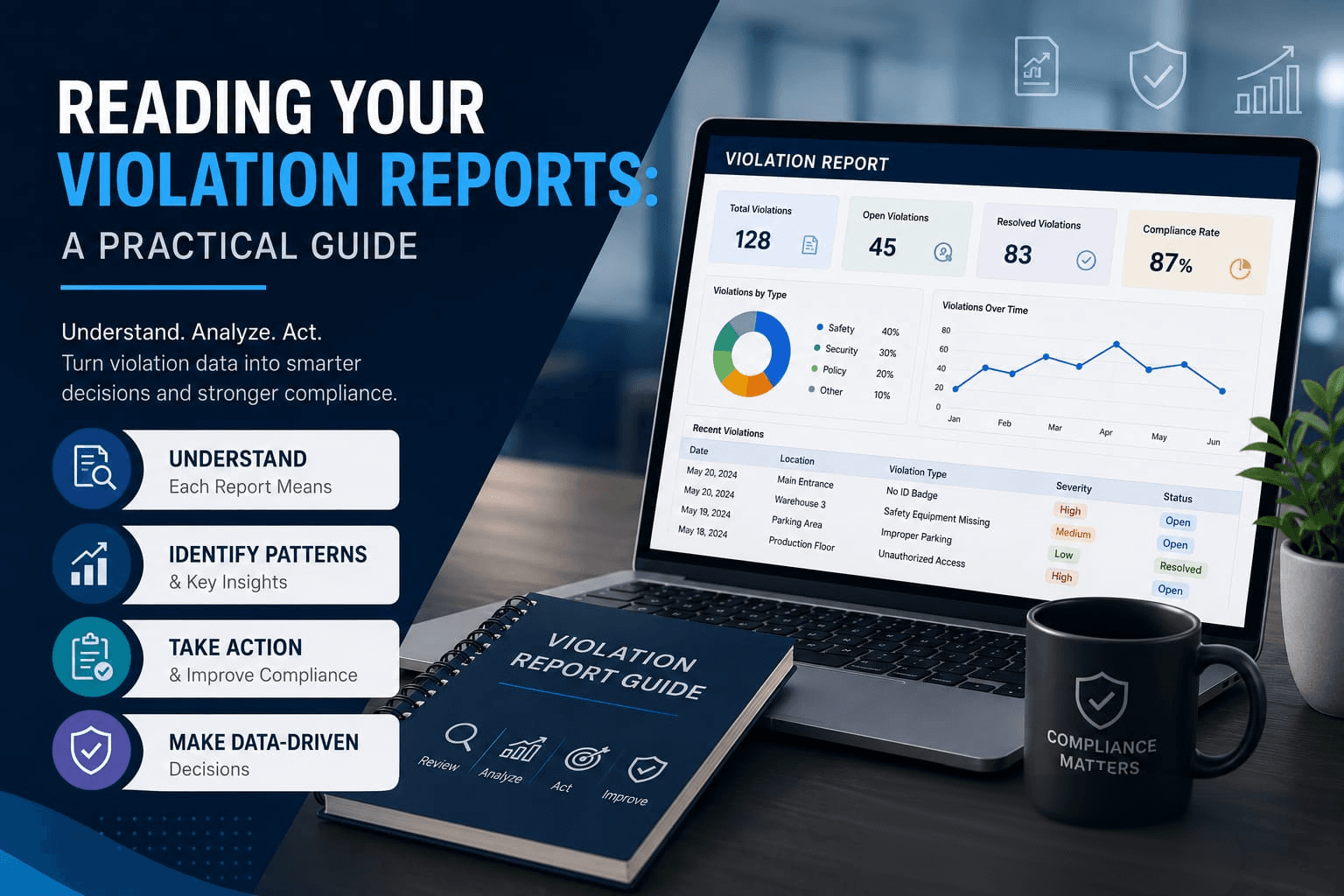
Reading Your Violation Reports: A Practical Guide
Automated reporting is only useful if your team actually knows what to do with it. Here's how to turn a stack of incident reports into operational decisions.
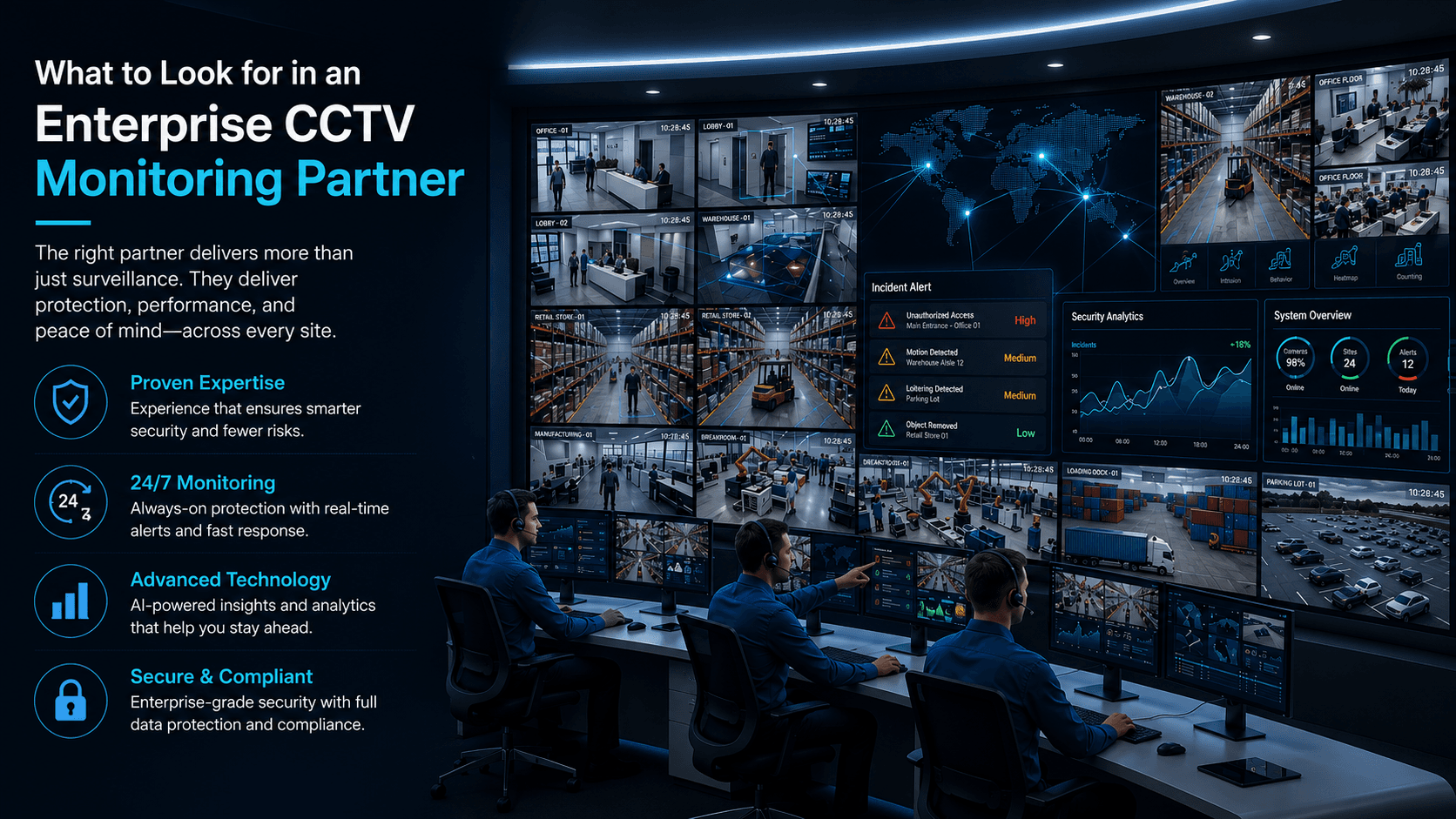
What to Look for in an Enterprise CCTV Monitoring Partner
Not all monitoring providers are built for enterprise scale. Here are the questions worth asking before you sign a contract.
Security Insights
Practical monitoring & AI security insight, straight to your inbox.
Nexus Insights is our monthly briefing for security and operations leaders.